
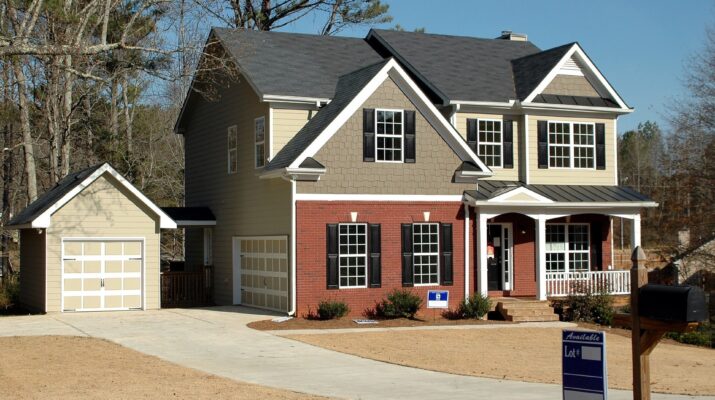
Homes are expected to meet changing needs over time, yet many are still designed with only immediate priorities in mind. As lifestyles, family structures, and technology continue to evolve, adaptable living spaces have become increasingly important for long-term comfort and functionality. Comparing different construction methods can help homeowners understand how each approach affects durability, flexibility, cost, and suitability for their long-term needs. If you check wissenschaft.de, you can learn more about it. Creating homes with flexibility in mind also helps reduce the need for costly renovations as circumstances change. Understanding why adaptability has become a priority offers valuable perspective on the future of modern housing and the principles shaping smarter home design.
How Changing Lifestyles Are Reshaping Residential Design
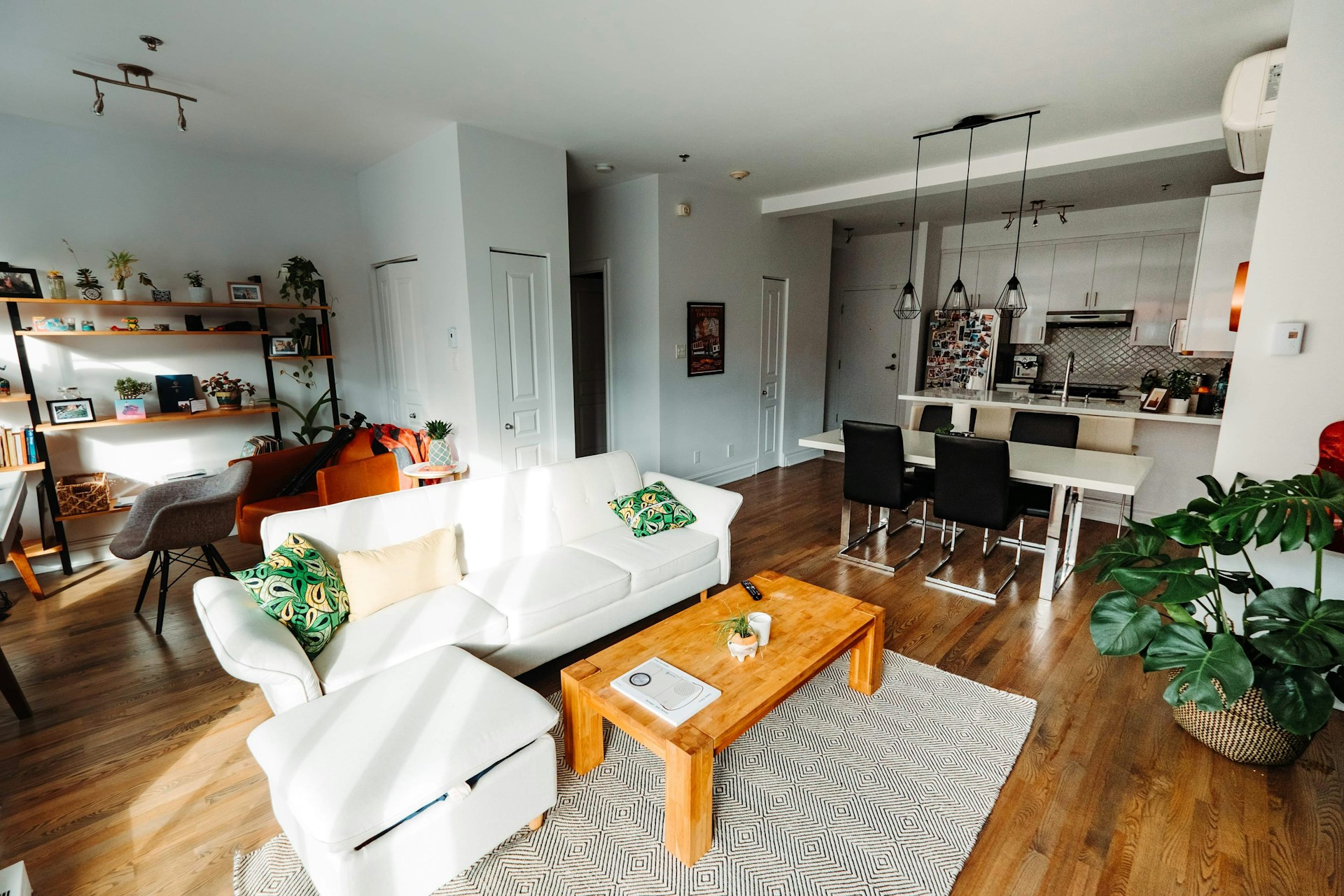
Daily routines have changed considerably as technology, work patterns, and family structures continue to evolve. Many households now rely on spaces that can accommodate multiple activities throughout the day instead of serving only one purpose. This shift has influenced residential design by encouraging layouts that support flexibility rather than rigid room assignments. Homes that can adapt to changing lifestyles remain more functional because they are better equipped to meet new demands as personal and household circumstances develop over time.
The Value of Flexible Interior Spaces
Flexible interior spaces allow homes to maintain their usefulness without extensive remodeling. Rooms designed with adaptable layouts can transition between different functions as needs change, making them suitable for a variety of life stages. This design philosophy recognizes that a home’s purpose is not fixed and that living environments should evolve alongside their occupants. By allowing spaces to serve multiple roles, adaptable interiors help extend the practical lifespan of residential properties while supporting efficient use of available space.
How Sustainable Design Supports Long-Term Adaptability
Sustainability and adaptability often work together because both focus on creating homes that remain effective for many years. Buildings designed with durable materials and thoughtful layouts are less likely to require frequent reconstruction as household needs change. Reducing unnecessary renovations helps conserve natural resources while limiting waste generated through rebuilding projects. This long-term perspective encourages responsible construction practices that benefit both homeowners and the environment by improving the longevity and resilience of residential buildings.
Technology as a Driver of Future-Ready Homes
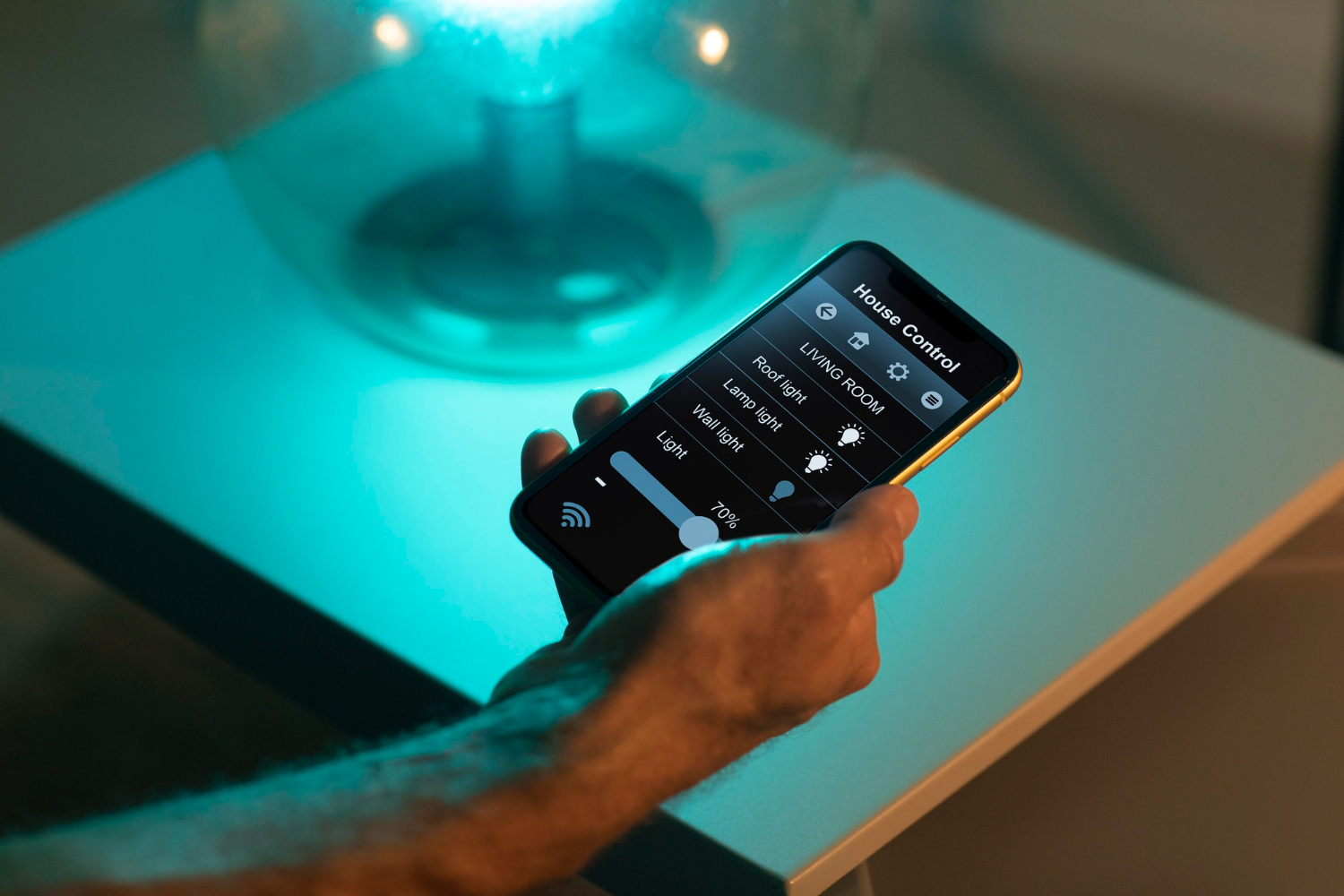
Modern technology has expanded the possibilities for adaptable home design by making residential spaces easier to modify over time. Smart systems for lighting, climate control, and security can often be upgraded without altering the building’s overall structure. Digital technologies also improve accessibility by supporting people with changing mobility or lifestyle requirements. As innovation continues to shape everyday living, adaptable homes are better positioned to integrate new technologies while maintaining comfort, efficiency, and long-term functionality.
Why Adaptable Homes Offer Lasting Value
Homes designed with adaptability in mind are often better prepared to meet future social, economic, and personal changes. Flexible layouts appeal to a broader range of occupants because they can accommodate different living arrangements throughout the life of the property. This ability to evolve without major structural modifications helps preserve functionality while reducing long-term maintenance demands. As housing expectations continue to change, adaptable design contributes to homes that remain relevant and valuable across different generations of occupants.
Future adaptability has become an essential consideration in modern residential design because it allows homes to respond to changing lifestyles, technological progress, and environmental priorities. Flexible spaces, sustainable planning, and thoughtful integration of new technologies all contribute to homes that remain practical over time. Rather than focusing only on present-day needs, adaptable design creates living environments that can continue serving their occupants as circumstances evolve. This long-term approach supports homes that remain functional, resilient, and well-suited to the demands of the future.…