

The construction industry has a major influence on the environment through material production, transportation, energy use, and waste generation. As concerns about climate change and resource consumption continue growing, builders and homeowners are looking for better ways to reduce the environmental impact of new projects. Sustainable building materials, according to www.haustechnikdialog.de, have become an important solution because they are designed to use resources more responsibly throughout their life cycle. These materials focus on reducing waste, lowering emissions, improving energy performance, and supporting healthier indoor environments. From recycled materials to responsibly sourced products, sustainable options are changing how buildings are planned and constructed. Understanding how sustainable building materials reduce environmental impact helps explain why they are becoming a central part of modern construction practices.
Reducing Resource Consumption
Traditional construction materials often require large amounts of natural resources during production. Mining, processing, and manufacturing these materials can place pressure on ecosystems and contribute to environmental damage. Sustainable building materials help reduce this impact by using resources more efficiently. Recycled steel, reclaimed wood, and materials made from renewable sources reduce the need for extracting new raw materials. Using these alternatives helps conserve forests, minerals, and other limited resources. Many sustainable materials are also designed for longer service life. Durable products require fewer replacements over time, which reduces additional material use and lowers the environmental burden associated with repairs and rebuilding. Choosing materials carefully allows construction projects to support responsible resource management.
Lowering Construction Waste
Waste is a significant challenge in the construction industry. Demolition debris, unused materials, and damaged products often end up in landfills, creating long-term environmental concerns. Sustainable building materials can help address this problem through better production methods and improved recyclability. Some products are manufactured with precise measurements that reduce leftover materials during installation. Others can be reused or recycled after a building reaches the end of its useful life. Materials such as recycled concrete, reclaimed timber, and modular building components support a more circular approach to construction. Instead of treating materials as disposable, sustainable practices encourage reuse and recovery. This approach reduces landfill waste while improving efficiency throughout the construction process.
Reducing Carbon Emissions
The production and transportation of construction materials contribute significantly to carbon emissions. Cement manufacturing, metal production, and long-distance shipping all require substantial energy. Sustainable materials help reduce these emissions by improving production efficiency and using lower-impact alternatives. Low-carbon concrete, responsibly sourced wood, and locally produced materials can decrease the energy required during manufacturing and transportation. Wood products from responsibly managed forests can also store carbon throughout their lifespan, creating additional environmental benefits when properly sourced. While no material eliminates environmental impact, selecting lower-emission options helps reduce the overall carbon footprint of construction projects.
Improving Building Energy Performance
Sustainable materials do more than reduce environmental effects during production. They also improve how buildings perform after construction is complete. High-quality insulation, energy-efficient windows, and advanced building envelope materials help maintain stable indoor temperatures. These features reduce the need for excessive heating and cooling, lowering energy consumption throughout the building’s lifetime. A structure that uses less energy places less demand on power systems and produces fewer emissions over time. Sustainable materials therefore contribute to environmental protection long after the construction phase has ended. Their performance benefits continue throughout years of daily use.
Supporting Healthier Living Spaces
Environmental responsibility also includes creating healthier spaces for occupants. Some traditional building materials may release chemicals or contribute to poor indoor air quality. Sustainable alternatives often prioritize safer ingredients, reduced chemical emissions, and improved indoor comfort. Low-VOC paints, natural flooring options, and responsibly manufactured products help create cleaner indoor environments. Healthier buildings benefit both residents and the environment. Better indoor air quality can improve daily comfort, while responsible material choices reduce harmful emissions during production and use. Sustainable construction considers the relationship between environmental protection and human well-being.
Encouraging Future Construction Practices
The growing use of sustainable building materials is influencing …










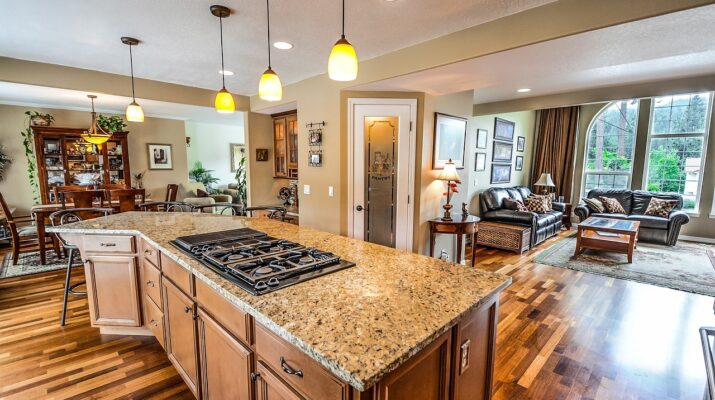
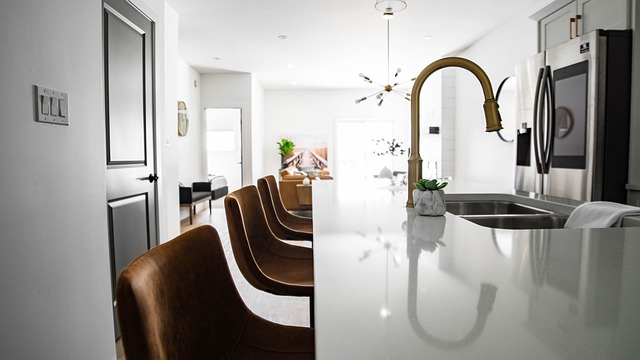
 The kitchen is one of the hardest-working
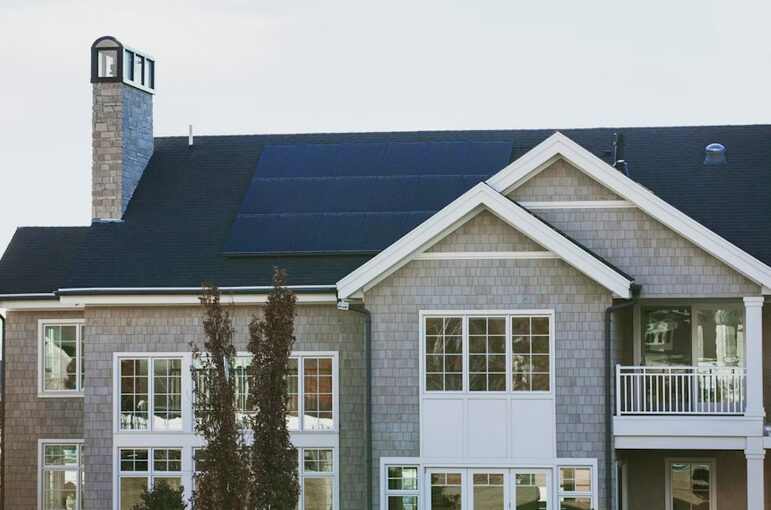

 A common mistake in outdoor design is prioritizing aesthetics over functionality. While it’s natural to want your outdoor space to look beautiful, it is equally important to consider how you will use the area. Think about the primary functions you want the space to serve; whether entertaining guests, gardening, dining, or providing a safe play area for children. Balancing form and function will create a visually appealing and practical space for your needs.
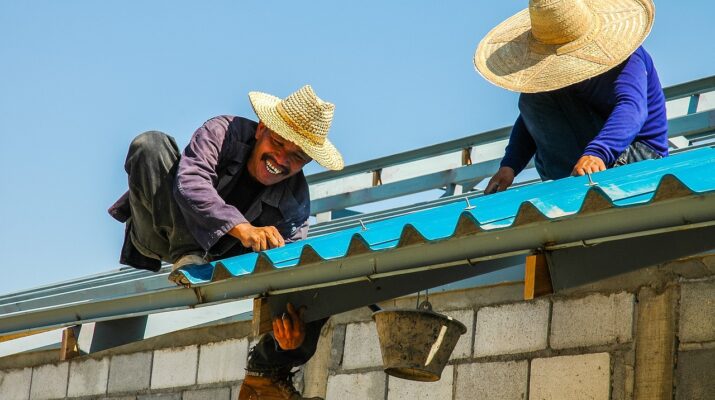
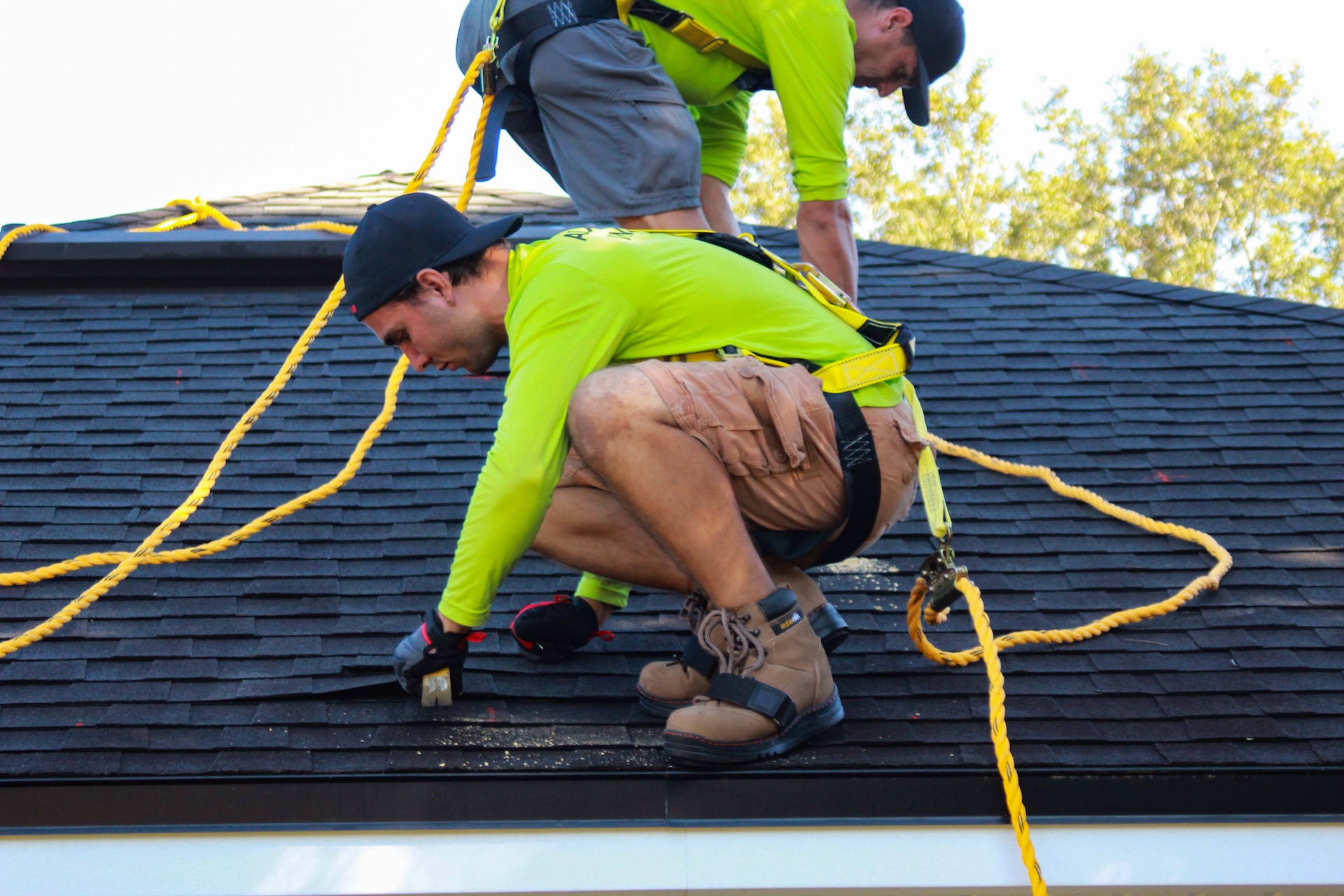
 One of the most common signs of roofing trouble is shingle damage. Shingles that are cracked, curled, or missing can indicate underlying issues with your roof. Granule loss is another red flag; if you find excessive granules in your gutters or downspouts, it could signal that your shingles are deteriorating. Granules are designed to protect shingles from UV rays and weather damage, so their loss can compromise the roof’s effectiveness and lead to more severe issues. Regularly inspecting your shingles for damage and checking for granules in gutters can help you catch these problems early.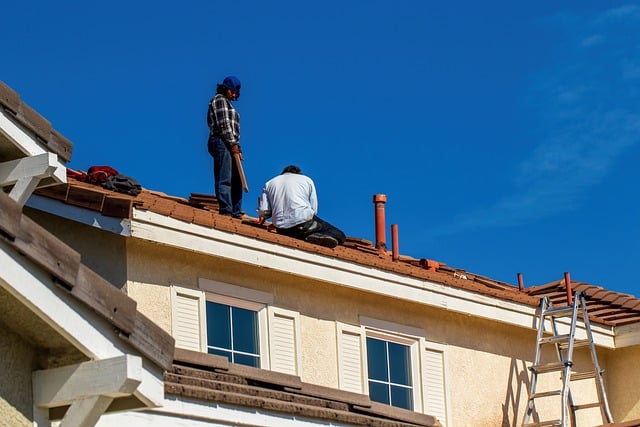


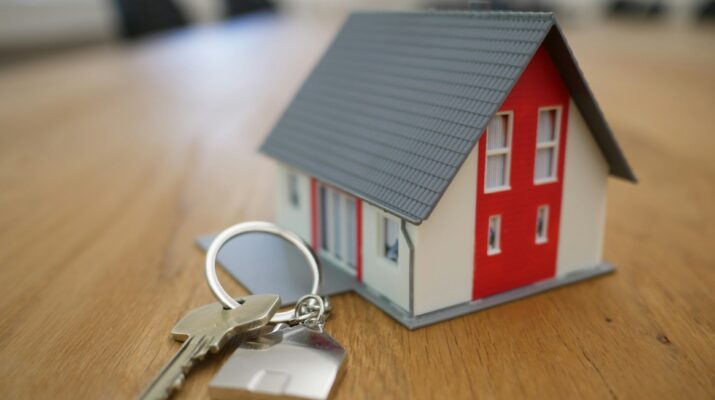
 One of the biggest advantages of investing in real estate is the potential for long-term appreciation. Historically, properties tend to increase in value over time, giving investors significant returns on their initial investment. Additionally, unlike other forms of investing, such as stocks or mutual funds, real estate investments offer more control and are less reliant on external factors. Furthermore, investing in real estate allows for the creation of a passive income stream. Investors can generate regular cash flow by renting out properties without actively working for them. This is especially beneficial for individuals looking to supplement their primary source of income or planning for retirement.






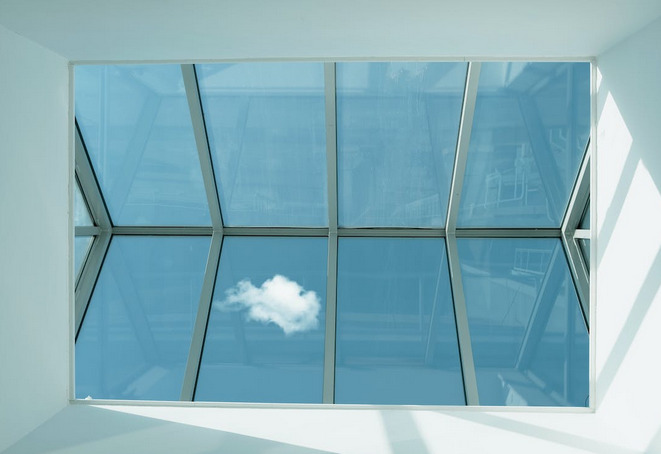


 Using 3D rendering for your kitchen

 Making your home more eco-friendly doesn’t have to be complicated or expensive. You can find simple and effective ways to reduce your environmental impact by getting creative and thinking outside the box. For example, you can create your own compost bin to reduce waste and enrich your soil, plant a garden to grow your produce or even start a rainwater collection system to conserve water. Making your home more eco-friendly is a simple and rewarding way to help protect the environment. You can make a significant impact with minimal effort by reducing energy and water consumption, using eco-friendly products, and repurposing and upcycling items.…
 The water from your well will likely be contaminated with various microorganisms, including bacteria and viruses. While most of these contaminants are not harmful to humans, some can cause severe illness or even death. That’s why it’s crucial to have your well water regularly tested for contaminants. You can contact your local health department or the Environmental Protection Agency (EPA) for more information on water testing. It’s also a good idea to have your well water tested if you notice any changes in your water’s taste, odor, or color.
 If you decide to buy this home, having your well regularly inspected and maintained is a must. An inspection will identify potential problems with the well, and a maintenance plan will keep the well in good working condition for years to come. You can enjoy fresh, clean water for decades to come by simply ensuring that the well is properly protected. Aside from that, you don’t need to worry about the quality of your healthy water as long as you have it regularly tested and maintained. Living in a home with well water is not a bad idea.

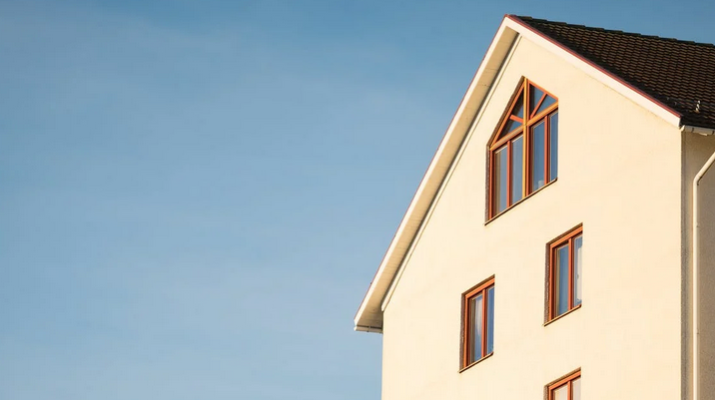
 The first step is to clean, declutter, and stage your home. It will make it look more appealing to potential buyers. You want to make sure that every room looks its best and that everything is tidy and organized. If you have any extra furniture or belongings, you may want to consider storing them in a storage unit until your home sells. One easy way to declutter your home is to get rid of excess and outdated furniture. You don’t want your home to look cluttered and crowded. It’s also essential to make sure that each room has a purpose.
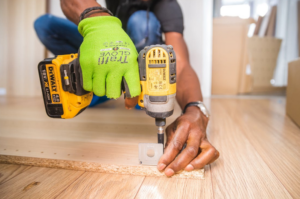 The second step is to repair any damage. If your home has any damages, it’s essential to fix them before putting your home on the market. Potential buyers will be looking for a home that’s in good condition, and they won’t want to purchase one that has any damage.
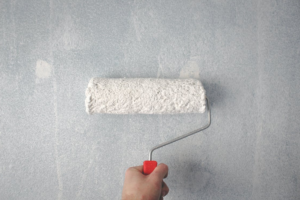 The third step is to freshen up your home’s exterior and interior with a new coat of paint. A fresh coat of paint can make your home look more appealing to potential buyers. You may want to consider painting the inside and outside of your home in a neutral color. It will help it appeal to a broader range of buyers. If you have any outdated paint colors, you may want to consider painting your home in a more modern color. You don’t want your home to look dated and old.
 One of the biggest benefits of contractor liability insurance is that it can help protect you from financial losses if someone is injured on your property. If someone is injured on your property and sues you, your insurance policy can help cover the costs of the lawsuit. This type of insurance can also help protect you if someone is injured while working on your property. If you are a real estate developer, it is important to have contractor liability insurance. This type of insurance can help protect you from financial losses if something goes wrong. This blog post discussed the benefits of contractor liability insurance for real estate developers.
 As a real estate developer, you are responsible for the safety of your employees and the properties you develop. Contractor liability insurance protects your company if an employee c on the job or if the property is damaged during development. This type of insurance can give you peace of mind knowing that your company is protected financially in an accident.
 If you want to make lifestyle changes easy, it’s crucial to have a plan. When you have a plan, you know what steps you need to take and what order to take them in. This can help keep you focused on what needs to be done rather than getting bogged down by all details.
 One way to stay motivated when making