
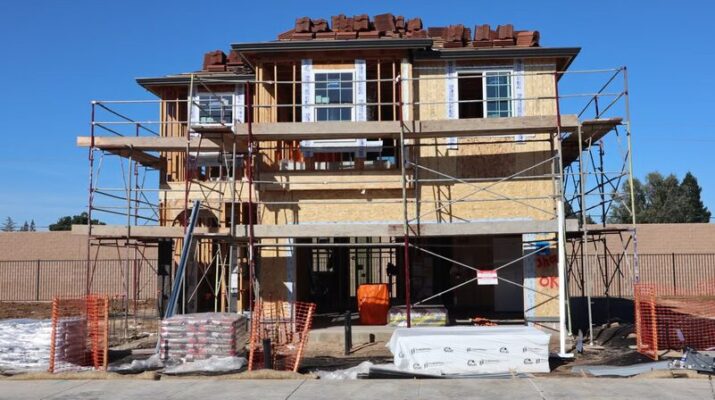
The construction industry has a major influence on the environment through material production, transportation, energy use, and waste generation. As concerns about climate change and resource consumption continue growing, builders and homeowners are looking for better ways to reduce the environmental impact of new projects. Sustainable building materials, according to www.haustechnikdialog.de, have become an important solution because they are designed to use resources more responsibly throughout their life cycle. These materials focus on reducing waste, lowering emissions, improving energy performance, and supporting healthier indoor environments. From recycled materials to responsibly sourced products, sustainable options are changing how buildings are planned and constructed. Understanding how sustainable building materials reduce environmental impact helps explain why they are becoming a central part of modern construction practices.
Reducing Resource Consumption
Traditional construction materials often require large amounts of natural resources during production. Mining, processing, and manufacturing these materials can place pressure on ecosystems and contribute to environmental damage. Sustainable building materials help reduce this impact by using resources more efficiently. Recycled steel, reclaimed wood, and materials made from renewable sources reduce the need for extracting new raw materials. Using these alternatives helps conserve forests, minerals, and other limited resources. Many sustainable materials are also designed for longer service life. Durable products require fewer replacements over time, which reduces additional material use and lowers the environmental burden associated with repairs and rebuilding. Choosing materials carefully allows construction projects to support responsible resource management.
Lowering Construction Waste
Waste is a significant challenge in the construction industry. Demolition debris, unused materials, and damaged products often end up in landfills, creating long-term environmental concerns. Sustainable building materials can help address this problem through better production methods and improved recyclability. Some products are manufactured with precise measurements that reduce leftover materials during installation. Others can be reused or recycled after a building reaches the end of its useful life. Materials such as recycled concrete, reclaimed timber, and modular building components support a more circular approach to construction. Instead of treating materials as disposable, sustainable practices encourage reuse and recovery. This approach reduces landfill waste while improving efficiency throughout the construction process.
Reducing Carbon Emissions
The production and transportation of construction materials contribute significantly to carbon emissions. Cement manufacturing, metal production, and long-distance shipping all require substantial energy. Sustainable materials help reduce these emissions by improving production efficiency and using lower-impact alternatives. Low-carbon concrete, responsibly sourced wood, and locally produced materials can decrease the energy required during manufacturing and transportation. Wood products from responsibly managed forests can also store carbon throughout their lifespan, creating additional environmental benefits when properly sourced. While no material eliminates environmental impact, selecting lower-emission options helps reduce the overall carbon footprint of construction projects.
Improving Building Energy Performance
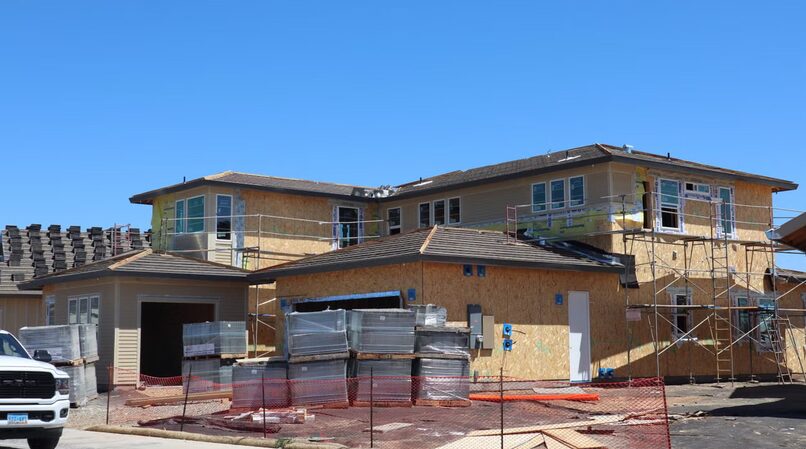
Sustainable materials do more than reduce environmental effects during production. They also improve how buildings perform after construction is complete. High-quality insulation, energy-efficient windows, and advanced building envelope materials help maintain stable indoor temperatures. These features reduce the need for excessive heating and cooling, lowering energy consumption throughout the building’s lifetime. A structure that uses less energy places less demand on power systems and produces fewer emissions over time. Sustainable materials therefore contribute to environmental protection long after the construction phase has ended. Their performance benefits continue throughout years of daily use.
Supporting Healthier Living Spaces
Environmental responsibility also includes creating healthier spaces for occupants. Some traditional building materials may release chemicals or contribute to poor indoor air quality. Sustainable alternatives often prioritize safer ingredients, reduced chemical emissions, and improved indoor comfort. Low-VOC paints, natural flooring options, and responsibly manufactured products help create cleaner indoor environments. Healthier buildings benefit both residents and the environment. Better indoor air quality can improve daily comfort, while responsible material choices reduce harmful emissions during production and use. Sustainable construction considers the relationship between environmental protection and human well-being.
Encouraging Future Construction Practices
The growing use of sustainable building materials is influencing the future direction of the construction industry. Builders, architects, and developers are increasingly considering environmental performance when selecting materials for new projects. Advancements in technology continue creating better options that combine durability, efficiency, and reduced environmental impact. As demand increases, sustainable materials are becoming more accessible and practical for different types of buildings. Government regulations, green certifications, and consumer expectations are also encouraging wider adoption. These changes are helping transform construction from a resource-intensive industry into one that focuses more on responsible development and long-term sustainability.
Sustainable building materials reduce environmental impact by conserving resources, lowering construction waste, reducing carbon emissions, improving building energy performance, supporting healthier living spaces, and encouraging better construction practices. Their benefits extend beyond the building process and continue throughout the entire life cycle of a structure. Understanding how sustainable building materials reduce environmental impact shows why material selection has become a critical part of modern construction planning. As the industry continues adapting to environmental challenges, sustainable materials will play an increasingly important role in creating buildings that are efficient, durable, and responsible. By choosing better materials today, builders and homeowners can contribute to a more sustainable future.