
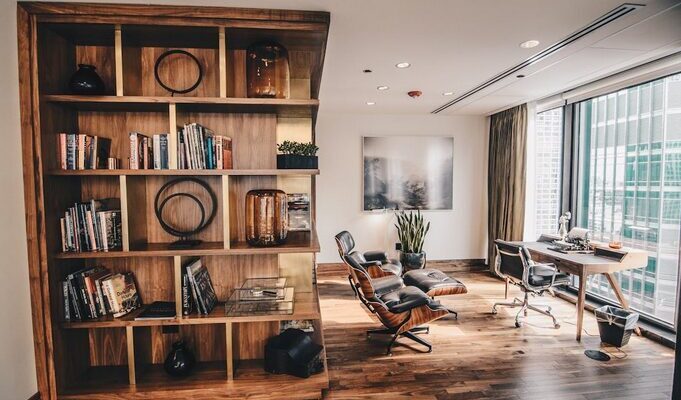
Open shelves are both practical and decorative. They display books, décor, personal items, and even beautiful Christian wall decor for homes while keeping them accessible. Yet they can quickly appear cluttered if not styled thoughtfully. Striking a balance between function and aesthetics is essential. Proper styling turns shelves into a feature rather than a chaotic space. The goal is to create a visually appealing arrangement that feels organized, intentional, and welcoming. Open shelves offer endless possibilities to express personality, showcase style, and make a room feel lived-in without overwhelming it.
Start With a Clean Slate
Before styling, clear everything off the shelves. Remove unnecessary items, outdated décor, or things you rarely use. A clean slate gives perspective on space and proportion. It allows you to envision a cohesive arrangement. This step helps avoid overcrowding from the start. Only items that serve a purpose or bring aesthetic appeal should remain. Starting fresh sets the foundation for an organized, intentional display.
Mix Heights and Sizes
Variety creates visual interest. Combine tall objects with shorter items to break monotony. Stack books horizontally and vertically. Use vases, sculptures, or framed prints to vary dimensions. Mixing heights prevents the shelf from appearing flat or repetitive. Yet balance is key. Avoid extreme contrasts that disrupt harmony. Thoughtful arrangement ensures each item has breathing space while contributing to the overall composition.
Group Items Thoughtfully
Group similar items to create cohesion. For example, cluster books by color or size. Pair decorative objects that share a material or theme. Grouping helps your eye navigate the space. It also reduces visual clutter, making the shelf feel intentional rather than random. Odd numbers often work best in groupings, offering a natural, organic look. Thoughtful clusters bring focus and rhythm to each shelf.
Use Containers and Baskets

Containers help organize smaller items. Woven baskets, boxes, or decorative bowls keep loose objects contained. They reduce visual clutter while adding texture. Baskets also allow for the storage of items that may not be aesthetically pleasing on their own. Using containers creates a clean look without sacrificing functionality. They help maintain order while complementing the overall style.
Leave Negative Space
Empty space is as important as the items you display. Negative space prevents shelves from looking overcrowded. It gives the eye a place to rest and emphasizes key pieces. Avoid filling every corner. Let each object shine without competition. Balance between filled and empty areas ensures clarity and elegance. Shelves feel airy and curated when negative space is used strategically.
Layer Items for Depth
Layering adds dimension and sophistication. Place smaller objects in front of taller ones. Overlap framed art slightly behind vases or decorative items. Layering creates depth without cluttering. It encourages the eye to explore different levels and angles. This technique makes shelves feel dynamic and purposeful. When done subtly, layering enhances interest while maintaining openness.
Incorporate Personal Touches
Personal items make shelves unique. Family photos, travel souvenirs, or meaningful mementos bring character. Place them sparingly to avoid visual overload. Personal touches balance decorative and functional elements. They also reflect personality without dominating the display. Incorporating carefully selected items ensures the shelf feels lived-in and welcoming while staying stylish.
Maintain Consistency and Flow
Consistency in color, material, or theme ties the arrangement together. Avoid random combinations that disrupt harmony. Each shelf should feel connected yet distinct. Flow ensures the eye moves smoothly from one section to another. Reevaluate and adjust periodically to maintain balance. With consistent styling, shelves appear curated, intentional, and elegant. A well-maintained arrangement keeps your space inviting and visually pleasing over time.
Styling open shelves requires balance, intentionality, and a clear plan. By starting with a clean slate, mixing heights, grouping thoughtfully, leaving negative space, layering items, incorporating personal touches, using containers, and maintaining consistency, shelves can be both functional and decorative. The result is a display that feels organized, inviting, and visually appealing. Thoughtful arrangement ensures your open shelves …