
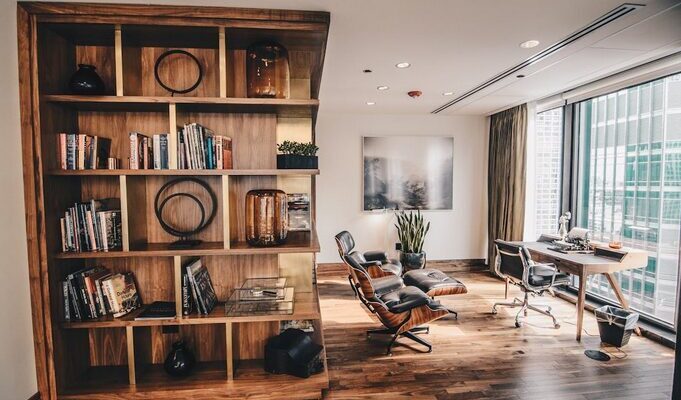
Open shelves are both practical and decorative. They display books, décor, personal items, and even beautiful Christian wall decor for homes while keeping them accessible. Yet they can quickly appear cluttered if not styled thoughtfully. Striking a balance between function and aesthetics is essential. Proper styling turns shelves into a feature rather than a chaotic space. The goal is to create a visually appealing arrangement that feels organized, intentional, and welcoming. Open shelves offer endless possibilities to express personality, showcase style, and make a room feel lived-in without overwhelming it.
Start With a Clean Slate
Before styling, clear everything off the shelves. Remove unnecessary items, outdated décor, or things you rarely use. A clean slate gives perspective on space and proportion. It allows you to envision a cohesive arrangement. This step helps avoid overcrowding from the start. Only items that serve a purpose or bring aesthetic appeal should remain. Starting fresh sets the foundation for an organized, intentional display.
Mix Heights and Sizes
Variety creates visual interest. Combine tall objects with shorter items to break monotony. Stack books horizontally and vertically. Use vases, sculptures, or framed prints to vary dimensions. Mixing heights prevents the shelf from appearing flat or repetitive. Yet balance is key. Avoid extreme contrasts that disrupt harmony. Thoughtful arrangement ensures each item has breathing space while contributing to the overall composition.
Group Items Thoughtfully
Group similar items to create cohesion. For example, cluster books by color or size. Pair decorative objects that share a material or theme. Grouping helps your eye navigate the space. It also reduces visual clutter, making the shelf feel intentional rather than random. Odd numbers often work best in groupings, offering a natural, organic look. Thoughtful clusters bring focus and rhythm to each shelf.
Use Containers and Baskets

Containers help organize smaller items. Woven baskets, boxes, or decorative bowls keep loose objects contained. They reduce visual clutter while adding texture. Baskets also allow for the storage of items that may not be aesthetically pleasing on their own. Using containers creates a clean look without sacrificing functionality. They help maintain order while complementing the overall style.
Leave Negative Space
Empty space is as important as the items you display. Negative space prevents shelves from looking overcrowded. It gives the eye a place to rest and emphasizes key pieces. Avoid filling every corner. Let each object shine without competition. Balance between filled and empty areas ensures clarity and elegance. Shelves feel airy and curated when negative space is used strategically.
Layer Items for Depth
Layering adds dimension and sophistication. Place smaller objects in front of taller ones. Overlap framed art slightly behind vases or decorative items. Layering creates depth without cluttering. It encourages the eye to explore different levels and angles. This technique makes shelves feel dynamic and purposeful. When done subtly, layering enhances interest while maintaining openness.
Incorporate Personal Touches
Personal items make shelves unique. Family photos, travel souvenirs, or meaningful mementos bring character. Place them sparingly to avoid visual overload. Personal touches balance decorative and functional elements. They also reflect personality without dominating the display. Incorporating carefully selected items ensures the shelf feels lived-in and welcoming while staying stylish.
Maintain Consistency and Flow
Consistency in color, material, or theme ties the arrangement together. Avoid random combinations that disrupt harmony. Each shelf should feel connected yet distinct. Flow ensures the eye moves smoothly from one section to another. Reevaluate and adjust periodically to maintain balance. With consistent styling, shelves appear curated, intentional, and elegant. A well-maintained arrangement keeps your space inviting and visually pleasing over time.
Styling open shelves requires balance, intentionality, and a clear plan. By starting with a clean slate, mixing heights, grouping thoughtfully, leaving negative space, layering items, incorporating personal touches, using containers, and maintaining consistency, shelves can be both functional and decorative. The result is a display that feels organized, inviting, and visually appealing. Thoughtful arrangement ensures your open shelves …

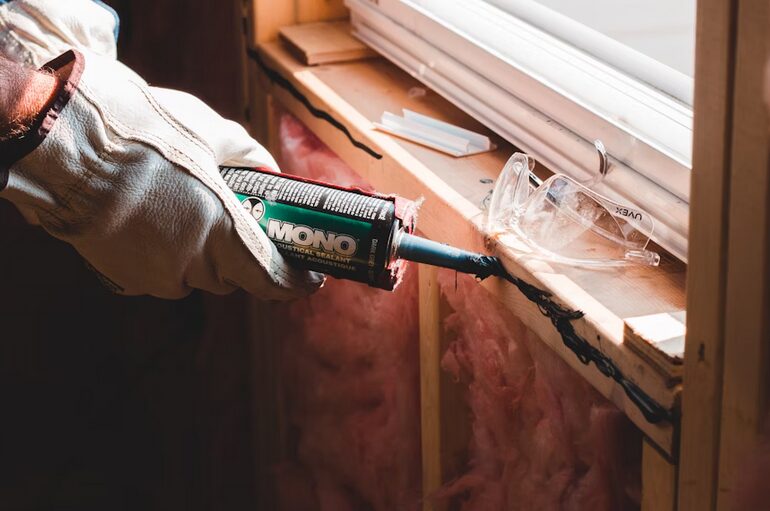
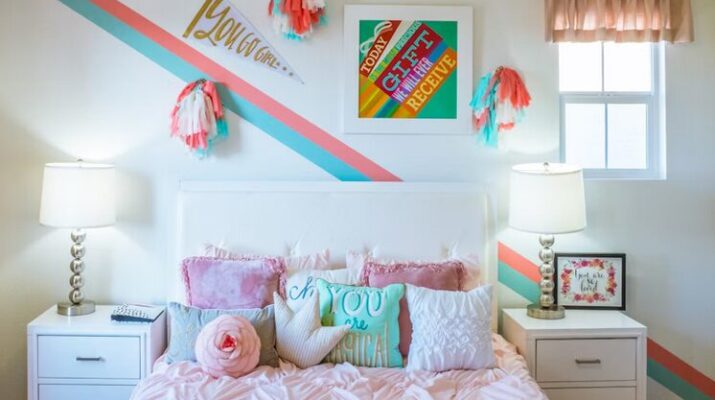


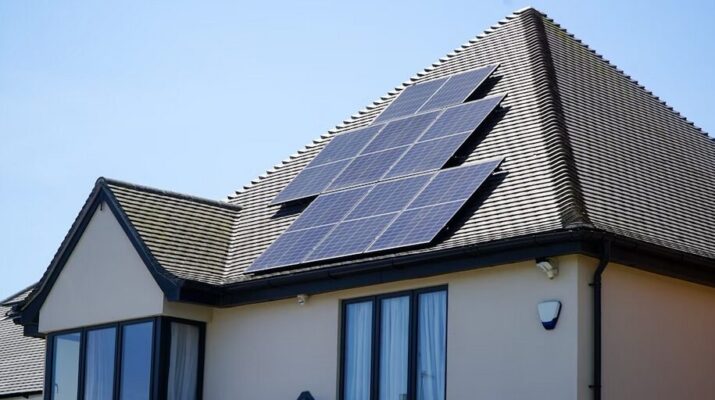


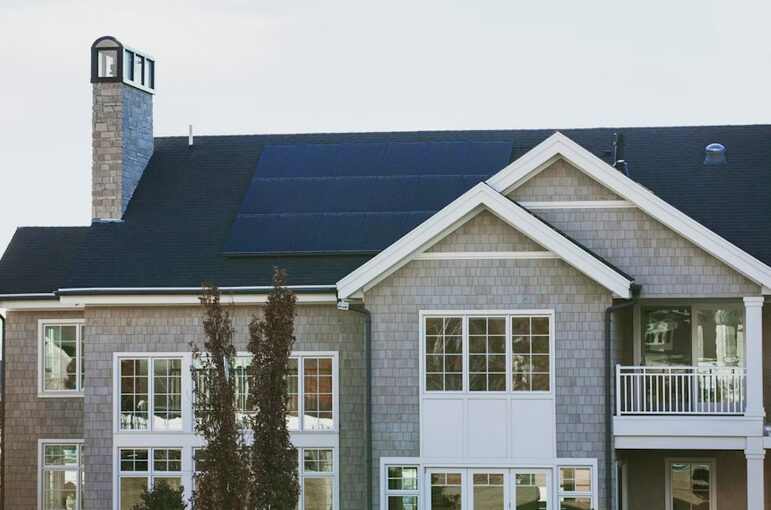





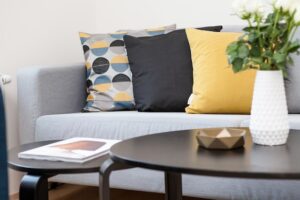 Making your home more eco-friendly doesn’t have to be complicated or expensive. You can find simple and effective ways to reduce your environmental impact by getting creative and thinking outside the box. For example, you can create your own compost bin to reduce waste and enrich your soil, plant a garden to grow your produce or even start a rainwater collection system to conserve water. Making your home more eco-friendly is a simple and rewarding way to help protect the environment. You can make a significant impact with minimal effort by reducing energy and water consumption, using eco-friendly products, and repurposing and upcycling items.…
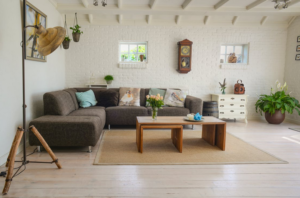 The first step is to clean, declutter, and stage your home. It will make it look more appealing to potential buyers. You want to make sure that every room looks its best and that everything is tidy and organized. If you have any extra furniture or belongings, you may want to consider storing them in a storage unit until your home sells. One easy way to declutter your home is to get rid of excess and outdated furniture. You don’t want your home to look cluttered and crowded. It’s also essential to make sure that each room has a purpose.
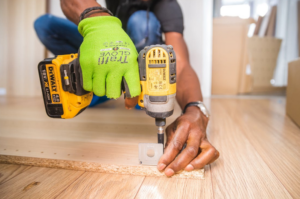 The second step is to repair any damage. If your home has any damages, it’s essential to fix them before putting your home on the market. Potential buyers will be looking for a home that’s in good condition, and they won’t want to purchase one that has any damage.
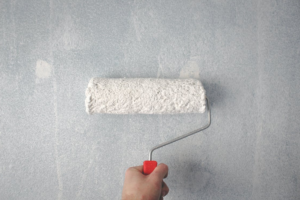 The third step is to freshen up your home’s exterior and interior with a new coat of paint. A fresh coat of paint can make your home look more appealing to potential buyers. You may want to consider painting the inside and outside of your home in a neutral color. It will help it appeal to a broader range of buyers. If you have any outdated paint colors, you may want to consider painting your home in a more modern color. You don’t want your home to look dated and old.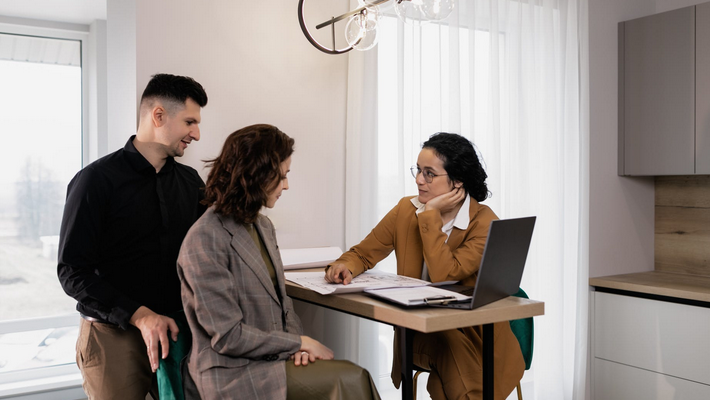
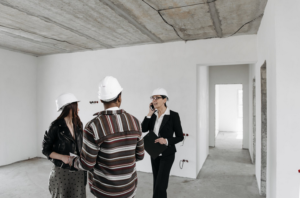 One of the biggest benefits of contractor liability insurance is that it can help protect you from financial losses if someone is injured on your property. If someone is injured on your property and sues you, your insurance policy can help cover the costs of the lawsuit. This type of insurance can also help protect you if someone is injured while working on your property. If you are a real estate developer, it is important to have contractor liability insurance. This type of insurance can help protect you from financial losses if something goes wrong. This blog post discussed the benefits of contractor liability insurance for real estate developers.
 As a real estate developer, you are responsible for the safety of your employees and the properties you develop. Contractor liability insurance protects your company if an employee c on the job or if the property is damaged during development. This type of insurance can give you peace of mind knowing that your company is protected financially in an accident.
 If you want to make lifestyle changes easy, it’s crucial to have a plan. When you have a plan, you know what steps you need to take and what order to take them in. This can help keep you focused on what needs to be done rather than getting bogged down by all details.
 One way to stay motivated when making
 With renting, you will have no obligation to stay in one place. You are free to move around as you please without worrying about the costs of moving or having a mortgage payment to make each month.
 With renting; you will not be able to make any repairs or upgrades. If something needs to be done, it’s up to the landlord, and they can charge your monthly rent accordingly if you want these changes made.

 Next, if you think you need further help and more professional assistant to buy a home for the first time, you can hire an experienced realtor. A realtor will help you locate properties for sale, schedule property inspections, and negotiate the best deal on your behalf. On top of that, they will help you in avoiding common mistakes like offering too low or paying too much for a property and more. For these reasons, if you think hiring a professional realtor is the right choice, make sure to find one who has experience with the first time.
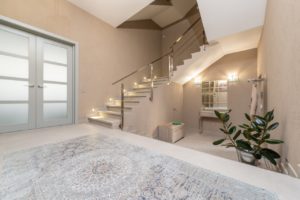 When shopping for decorative outdoor lighting, it is essential to create a plan. This would combine the home’s size and layout. Choosing a lighting system that complements the house and not makes it look uncomfortable will be more comfortable. Next, you require to decide the right size outdoor lighting system for your demands. There are no strict guidelines regarding the size of outdoor lighting. Take a walk outside and, standing on the roadside, take a look at your home. Focus on architectural features that are distinctive such as pillars, statues, lamp posts, and so forth. Use good visual judgment to determine the appropriate size of outdoor lighting to create balance.
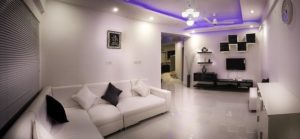 It would help if you installed light fixtures along driveways or stairs heading to your front door. The brilliance should be bright enough that it is maintained for pedestrians and not distracting. It is ampler to light a large area rather than reduce the light on a narrow site if you require brightness. Most outdoor decorative lighting systems produce a minimum of 100-watt power, regardless of whether it is a single or multiple lights. This is sufficient for creating outdoor light.
 You should consider not only the size and lighting but also the material. Today’s five most typical options are iron, brass and copper, cast aluminum, cast aluminum, composites, and composites. Many other options are available, but these are the most common because they are strong and can withstand the elements while still being beautiful and functional. Cast iron is the most complex element to notice, but it would be simple to make something beautiful by hand. To prevent rust from developing, make convinced that the zinc coating is referred to the metal parts.

 Hard water can cause stubborn stains to sinks, toilets, and bathtubs. There are also white scale deposits around faucets. To temporarily remove staining from fixtures, soak the area with 1/2 cup powder detergent. For white deposits around faucets, spray the area with white vinegar and let it sit for a few minutes before wiping the area with a soft cloth.
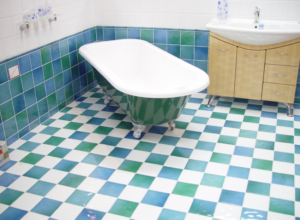 Hard water can make laundry soaps and bath products less effective. It also leaves behind slimy residue which causes clothing to look and smell duller, fade and become stale. Hard water can also cause clothes to become soiled and prone to fading. Hard water may cause skin to become dry, flaky, and itchy. It can also block pores, which can lead to inflammation, pimples, or blackheads. Hard water can make soap stick to skin, making it difficult to dissolve. This film can also make hair dry, dull and limp.
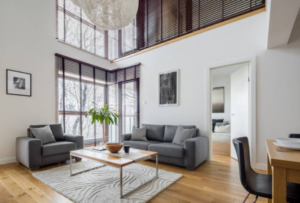 Started by the minimalist art movement of the 1960s and 1970s and inspired by traditional Japanese design and Zen philosophy, minimalist interiors express the guiding concepts of modernism in an almost puritanical palette. Minimalism is an aesthetic that allows you to focus on design efficiency. Free of distractions and clutter, minimalist interiors are streamlined to maximize visual impact and effective use of space. With careful detailing and hidden storage, elements and patterns are kept to a minimum.
 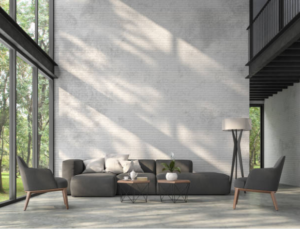 Industrial interiors celebrate the modernist eye for efficiency and functionality, transforming the working parts of a building into its main aesthetic. To emphasize the “machine-to-machine” look of these interiors, beams, columns, pipes, and ductwork are in the foreground. It gives them a masculine look. Industrial-style interiors are not limited of weight and roughness. They rely on second-hand, salvaged, and recycled items, as well as many other facets of modernism. Industrial interiors are often the first choice when
  Traditional style, or classical style, looks to the past for ideas for the future. It can go straight to the source or reinterpret classic ideas to bring tried and tested elements, patterns, and proportions into a modern setting. Its silhouettes bring a special touch to traditional European interiors. For example, wingback chairs, delicate furniture, claw-foot tabletops, and other furniture and accessories often have their roots in English, neoclassical, French country, colonial or 18th-century country house styles.
 When it comes to trees, you need to carefully implement the uprooting and removal of plants near your home. It requires a lot of thought so that you can avoid irreparable damage to your home, as well as nearby landscapes and construction. You probably already have experience with small trees and plants and are comfortable with them, but you can always seek specialist helps when it comes to cutting down large trees.
 Ensure that there is enough surface area for the equipment to land on the ground and not collide with other products. Always confirm if the height of the tree can fit perfectly to have a safe collapse. Use the right equipment for safety. Start everything with a chainsaw to remove branches. Once you have removed each tree branch, you can start with the smallest one towards the back. After that, you can make the previous cut to pick out the main trunk.





 Know what you need because awnings are designed to achieve different architectural effects. The manual retractable types are commendable if you’re in search of additional space that you can put up and dismantle at whim. It follows that you can pull out the awning to create shade for an afternoon game of poker with family and visiting friends and draw the awning back in the evening to create parking space for a five foot-tall truck. Retractable awnings can also be motorized, making it possible for you to pull it back and forth at a touch of a button.