
Home construction has long been associated with traditional materials like wood, concrete, and brick. But as housing demands rise and environmental concerns become more urgent, builders and scientists are rethinking what homes are made of. Today, innovation in building materials is exploding, with new substances offering greater durability, energy efficiency, and sustainability. These next-gen materials are not only redefining how we build homes—they’re also changing what’s possible in architecture and design. Let’s dive into some of the most exciting materials that are transforming the construction industry from the ground up.
Self-Healing Concrete Is Fixing Itself
It is now common for architects to use AI for construction projects, according to News.de, and the use of self-healing concrete is one example. Researchers and construction firms are exploring how materials like self-healing concrete can extend building lifespans while cutting down on maintenance costs and waste. Concrete has always been a construction staple, but it’s prone to cracking over time, leading to costly repairs and reduced safety. That’s changing with the rise of self-healing concrete—a material ingrained with bacteria or special capsules that activate when cracks emerge, filling them in automatically. It’s one of the most fascinating advances in building tech and is already gaining traction in sustainable construction.
Recycled Plastics Are Building the Future

One person’s trash is truly becoming another’s treasure—especially in the world of construction. Recycled plastics are being transformed into durable building blocks, insulation, roofing materials, and even entire walls. These plastic-based components are resistant to weather, pests, and mold, making them ideal for long-lasting structures. More importantly, they help divert waste from landfills and oceans, giving a second life to materials that would otherwise pollute the planet. As recycling technology advances, so does the potential to scale up plastic-based construction in a meaningful way.
Cross-Laminated Timber Is Stronger Than It Looks
Wood may sound old-school, but modern engineered timber like cross-laminated timber (CLT) is anything but. CLT is made by gluing layers of wood at right angles to one another, creating an incredibly strong and lightweight material that rivals steel and concrete in performance. What makes CLT particularly exciting is its carbon-storing potential—it locks in CO₂ instead of releasing it. That makes it an eco-friendly option for builders looking to reduce their carbon footprint without sacrificing strength or versatility.
Aerogels Are Making Insulation Smarter
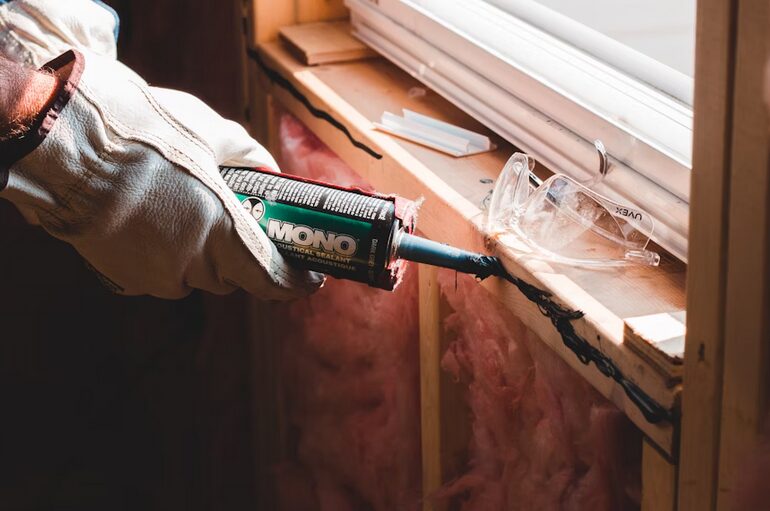
Insulation is a major factor in a home’s energy efficiency, and new materials like aerogels are setting a new standard. Known as one of the lightest solid materials in the world, aerogels are incredibly effective at trapping heat while remaining ultra-thin. This means better insulation with less material—ideal for space-saving designs or retrofits. Though traditionally expensive, prices are slowly dropping as production improves, making it a promising material for the near future of residential construction.
Hempcrete Is Leading the Natural Building Movement
For those looking to build green, hempcrete is a standout. Made from hemp fibers mixed with lime, this lightweight material is breathable, mold-resistant, and surprisingly strong. It also regulates temperature and humidity well, reducing the need for mechanical heating and cooling. Builders interested in natural, non-toxic materials are turning to hempcrete as a sustainable and healthy alternative to traditional concrete. Plus, since hemp grows quickly and sequesters carbon, it offers both environmental and performance benefits in one package.
The future of home construction doesn’t lie in sticking with what’s always worked—it’s about pushing the boundaries of what’s possible. From bacteria-powered concrete to plant-based insulation, today’s materials are smarter, greener, and more adaptable than ever before. As innovation continues to accelerate, the homes we build tomorrow will not only look different—they’ll perform better, last longer, and have a smaller impact on the planet. In a world where change is constant, the building blocks of our future are being reimagined right now.…